
Key Takeaways:
- Generic mockups from marketplaces are easily copied by your competition and blend in.
- Etsy's algorithm prioritizes listings with unique thumbnails and photos.
- High-quality, niche-specific mockups are a competitive moat for Etsy sellers.
- PODMocks automates the "mockup workflow," offering speed, realism, and uniqueness without the manual effort.
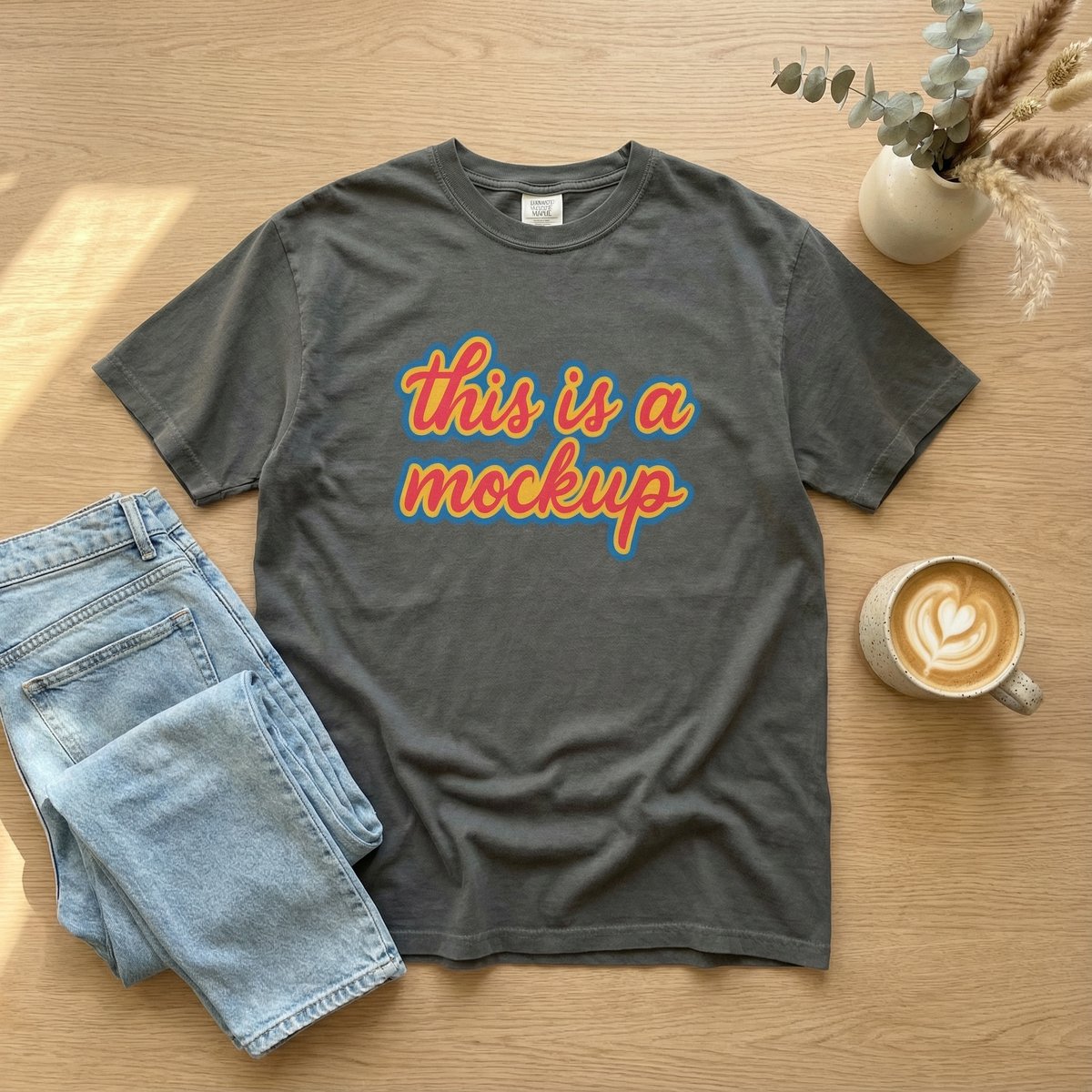
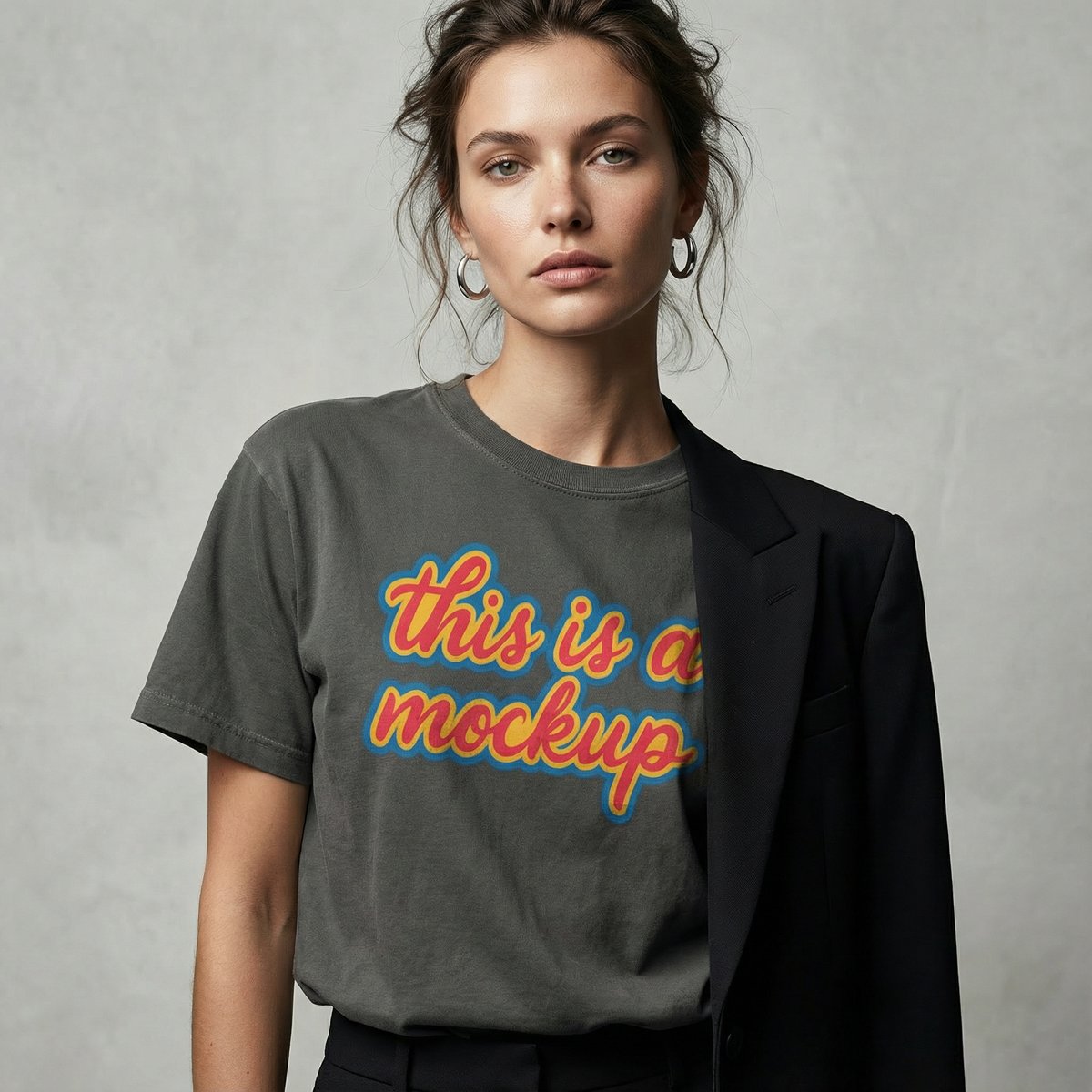
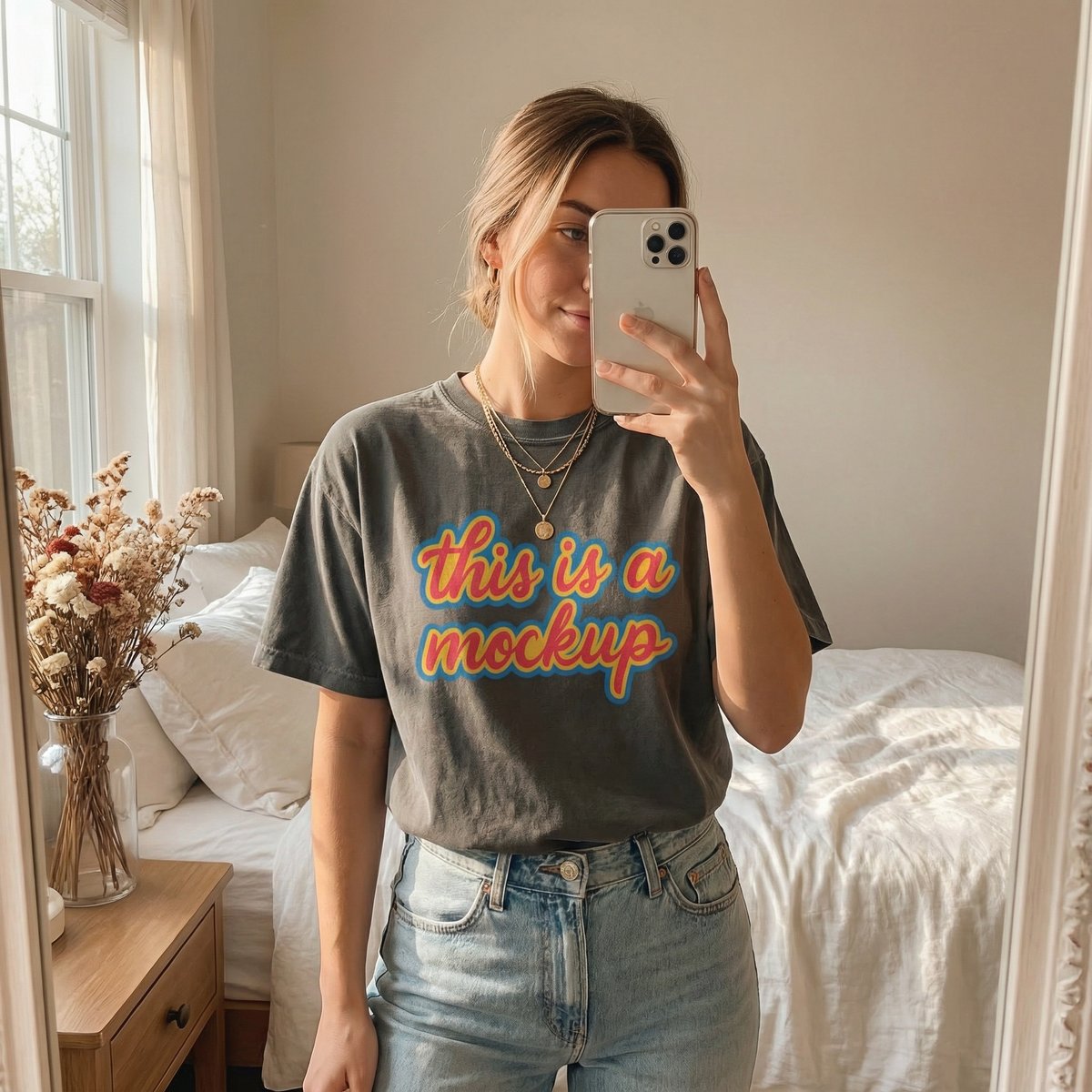
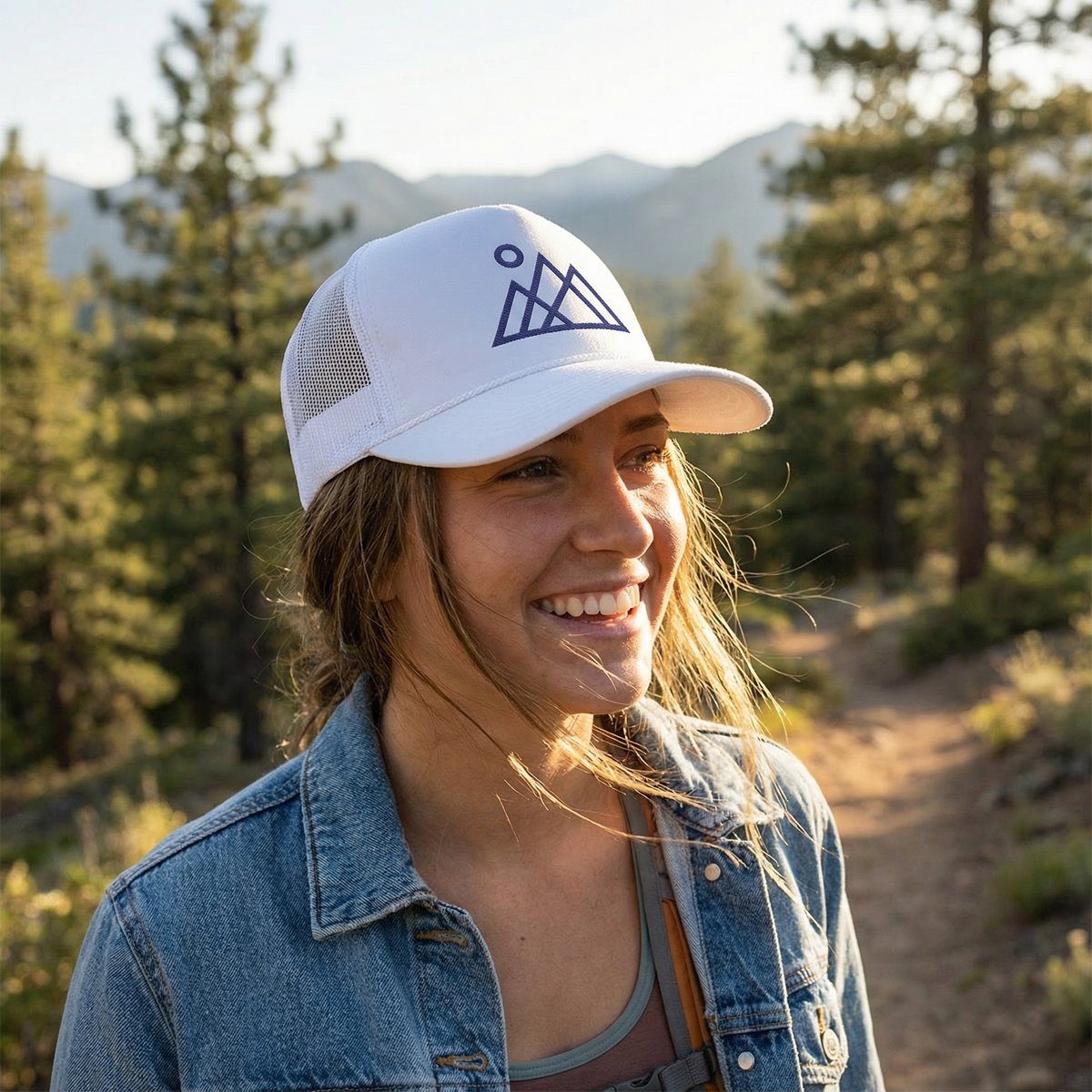
Almost nobody knows this...
But I built a Top 1% Print on Demand (POD) business.
My stores span Etsy (where one shop alone is in the top 1% globally), Amazon, eBay, and Shopify.
I started exactly where you likely are right now: staring at the Printify or Printful catalog, trying to figure out how to stand out in a saturated market dominated by the same generic designs and mockups.
This is the story of how I went from 0 sales to a six-figure profit POD seller, and how that journey forced me to build PODMocks—a new way to create mockups.
The Beginning: The "Saturated" Struggle
In 2023, I jumped into the deep end. I'd sold literally ZERO things online, ever. Like many, I started with Pet Portraits. I quickly realized two things:
- It was incredibly saturated.
- Sellers were competing in a race to the bottom on price.
I pivoted. I moved into Cocktail Prints, then expanded into a wide variety of niches including apparel. As I found my footing, the sales started coming in. I hit Bestseller lists. I got "Etsy's Pick" badges.
But scaling a Print on Demand business brought a new set of problems that nearly killed my growth.
The "Mockup Hell": Why Photoshop & Generic Mockups Weren't Enough
Old Way vs PODMocks Way
Hundreds of Clicks vs. 1 Click.
To get those sales, I was obsessed with quality. I didn't want my designs to look like they were floating on top of a T-shirt. I wanted ultra-realistic mockups that fit the specific aesthetic of my niche.
I spent hours watching YouTube tutorials on displacement maps, texture blending, and shadow recreation. I learned how to create complex embroidery effects so the thread looked raised and genuine.
I was buying high-quality mockups from the usual marketplaces (Etsy, Creative Market, Placeit), but the workflow was brutal:
- Scroll for hours to find and buy the "perfect" mockup.
- Open Photoshop.
- Load the huge PSD file.
- Smart Object -> Insert Design.
- Tweak warping and liquify to match the fabric folds.
- Adjust noise and texture overlays.
- Export.
- Repeat for every single SKU and color variant.
It was a massive bottleneck. I knew that niche-specific mockups converted better, but creating them took so much time that I couldn't scale my inventory fast enough.
The Copycat Trap: How Unique Mockups Protect Your Brand
Then came the second blow.
Whenever one of my listings got a Bestseller or Etsy’s Pick badge, the copycats arrived. They didn't just copy my design; they went to the same mockup marketplaces, bought the exact same mockups I was using, and launched copycat listings.
Some even copied my listings word for word down to the title, tags, and description!
Customers would find copycat designs, down to the exact same mockup, all over Etsy, Temu, and Tiktok Shop.
Because we were all using the same purchased assets, my brand looked generic. I lost my visual distinctiveness.
I realized that in Print on Demand, your mockup isn't just a product photo—it's your entire brand identity. If anyone can buy your brand identity for $2 on a marketplace, you don't have a moat.
Building the "Cheat Code": The Rise of PODMocks
The "Trust Signal" Lift
Impact on Click-Through Rate (CTR)
Data based on A/B testing across high-traffic listings.
I couldn't find a tool that offered speed, ultra-realism, and niche flexibility, so I decided to build one.
I built the early version of what is now PODMocks.
The goal was simple:
- Automate the Realism: I wanted the warping, lighting, and texture integration to happen instantly using advanced compositing algorithms, not manual tweaking.
- Unique Assets: I stopped buying generic mockups and started creating my own that actually fit my designs and niche.
- Scale: I needed to visualize 100 designs on 10 different products in the time it used to take me to do one.
The results were immediate.

My Click-Through Rates (CTR) on listings skyrocketed because my thumbnails looked different from the sea of competitors. My conversion rates increased because the products looked real—customers knew exactly what they were getting.
Most importantly, I could scale. I scaled my stores with high-quality listings because the bottleneck of "creating mockups" was gone.
Why I'm Sharing This With You
I built PODMocks to be the "secret weapon" for my own POD business. But I realized that the problems I faced—the slow workflows, the floating designs, the generic look—are problems everyone in this industry faces.
PODMocks is designed to help you:
- Save Time: Stop fiddling with Photoshop layers.
- Stand Out: Create mockups that your competitors can't just buy off a marketplace.
- Scale Up: Test more niches and launch more products faster.
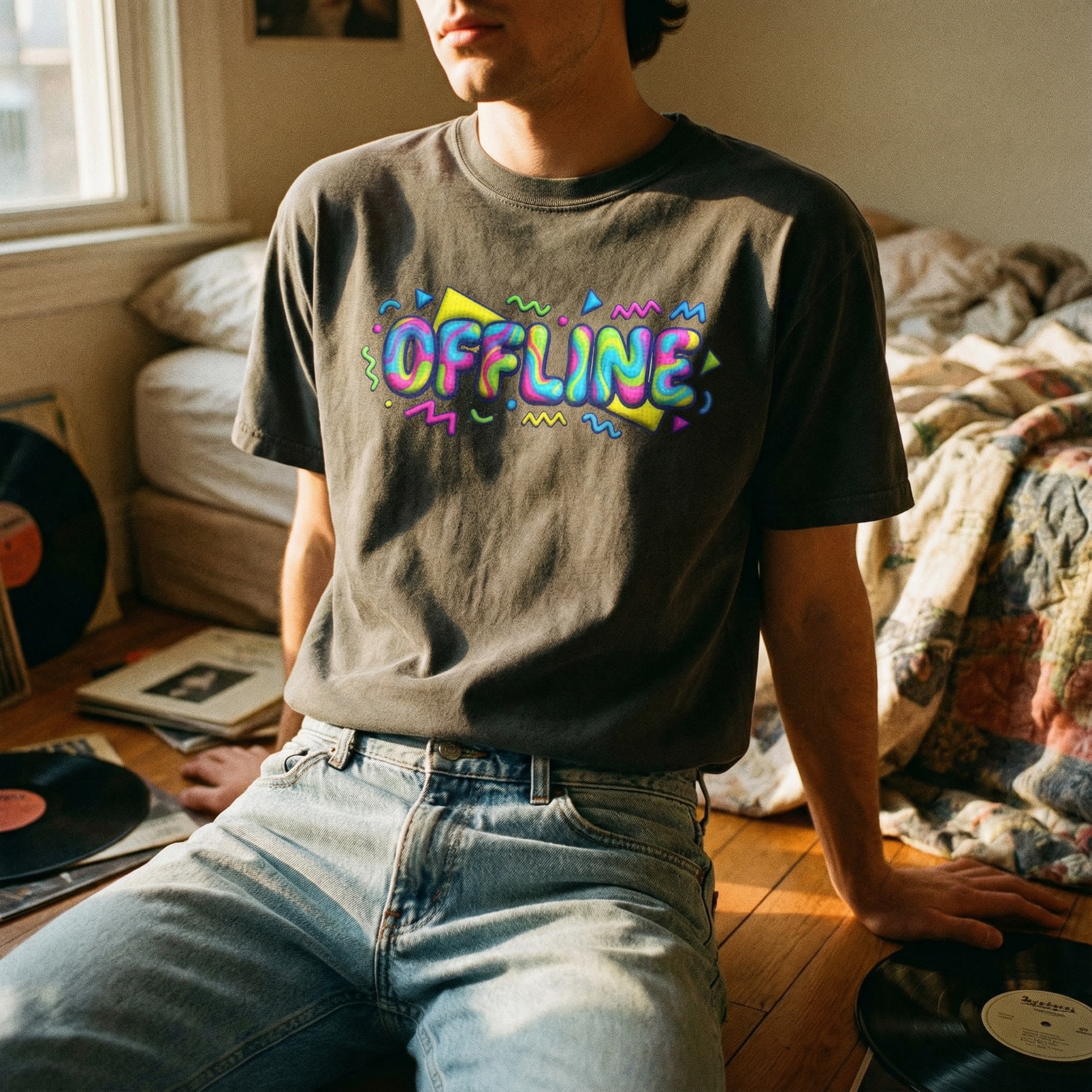
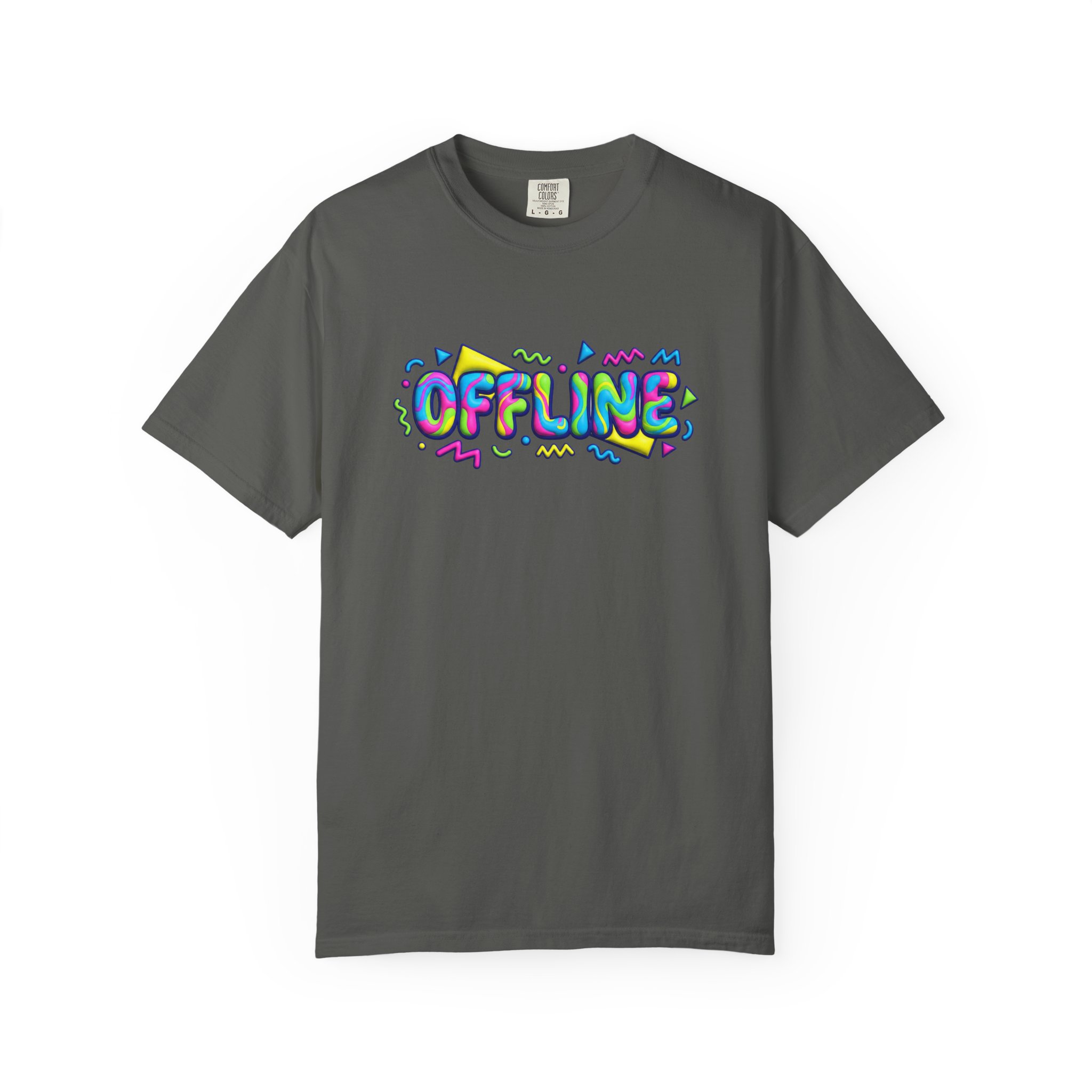
Try these examples:
Frequently Asked Questions
How is this different from Placeit? Placeit relies on a static library of photos that thousands of sellers use. PODMocks generates unique, high-resolution scenes tailored to your niche, so your listings don't look like everyone else's.
What about commercial rights? You own the commercial rights to every mockup you generate. You can use them on Etsy, Amazon, Shopify, and social ads. The only restriction is that you cannot resell the raw mockup image itself as a digital stock asset.
What is the image quality? We prioritize crisp, professional assets. Images are generated at 2k+ resolution (up to 4k), and videos are HD or better.
How do PODMocks mockups drive trust and conversions? High-quality, realistic photos are the closest a customer can get to touching your product online. Etsy's data shows that compelling photography is critical for conversions. When a mockup looks tangible with real fabric folds, lighting, and texture, it builds immediate trust. By presenting your design in an emotional, lifestyle-appropriate context (e.g., a cozy candle by a window), you help the customer imagine owning it. This creates an emotional connection that drives conversions.
Does the mockup really impact SEO? Absolutely. Etsy's Seller Handbook emphasizes the importance of high-quality photography. Furthermore, recent algorithm updates suggest that visual uniqueness protects you from being filtered out as "duplicate content" and drives the Click-Through Rate (CTR) needed to rank higher.
Try It For Yourself
I want you to experience the difference a dedicated, professional tool makes. You can try PODMocks today and generate mockups for your first 5 products completely free.
No credit card required. Just the tools I used to reach the Top 1%.
Topics:
Tiger
Top 1% Etsy Seller & Founder of PODMocks.